As social media continues to shape personal and professional identities, many businesses and individuals are turning to digital tools that help analyze online presence. One growing category in this space is social media screenings tools, which are designed to provide insights into publicly available information across different platforms. Before purchasing any of these tools, it is important to understand how they work, what they offer, and their limitations.
Socialprofiler is not compliant with the Fair Credit Reporting Act (FCRA), meaning it does not meet the legal standards required for official consumer reporting in the United States. As a result, it must not be used or promoted for employment background checks, tenant or housing screening, credit decisions, or any other purpose regulated under the FCRA. It should only be used for general informational purposes and never for formal decisions that affect someone’s financial status, housing eligibility, or job opportunities.
What Are Social Media Screenings Tools?
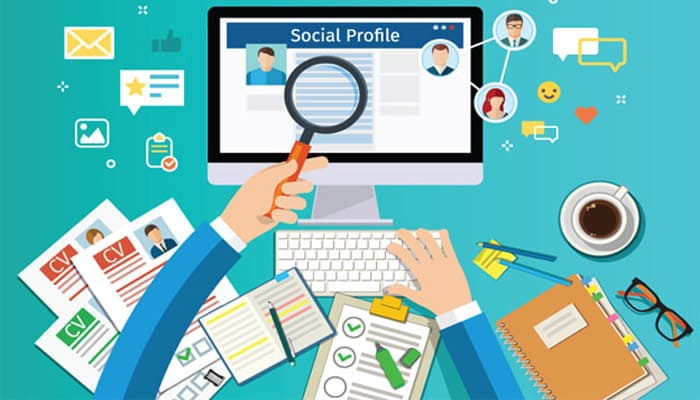
Social media screenings tools are digital platforms designed to analyze publicly available information from social media accounts. These tools help users understand a person’s online presence by collecting data from various platforms and presenting it in a structured format.
They are often used to:
- Review public social media activity
- Identify digital presence across platforms
- Analyze communication style and behavior patterns
- Support general online awareness
It is important to note that these tools only work with publicly available data and do not access private accounts.
Why People Use Social Media Screenings Tools
The demand for social media screenings tools has increased in recent years due to the growing importance of online identity. People now use these tools for different reasons, including both personal and professional awareness.
Better Online Awareness
Many users want to understand more about individuals they interact with online. These tools can help provide a general overview of public digital activity.
Risk Reduction
In some cases, users may want to identify potential risks such as fake profiles or inconsistent online behavior.
Time Efficiency
Instead of manually searching multiple platforms, these tools can organize publicly available data in one place.
Key Features to Look for Before Buying
Before choosing any social media screenings tools, it is important to understand what features they offer and how they function.
Data Coverage
A good tool should provide access to multiple platforms rather than focusing on just one. Broader coverage improves the usefulness of the information.
Ease of Use
The tool should have a simple interface that allows users to search and understand results easily without technical difficulty.
Data Accuracy
Accuracy is important because social media data can change frequently. Reliable tools should minimize outdated or irrelevant information.
Search Speed
Fast processing is essential, especially when dealing with multiple searches or large datasets.
Limitations of Social Media Screenings Tools
While these tools can be helpful, they also come with clear limitations that users should understand before purchasing.
Limited to Public Data
These tools only access publicly available information. Private accounts and restricted content are not included.
Incomplete Profiles
Not all users maintain active or consistent social media profiles, which can lead to incomplete results.
Risk of Misinterpretation
Data presented without context can sometimes be misunderstood, leading to incorrect assumptions.
No Guarantee of Identity Verification
Even if information is found, it does not confirm the identity or intentions of a person.
Important Ethical Considerations
Using social media screenings tools comes with ethical responsibilities. It is important to ensure that data is used fairly and respectfully.
Avoiding Misuse
Information should not be used to judge people unfairly or make assumptions based on incomplete data.
Respect for Privacy
Only publicly available information should be considered, and privacy boundaries must always be respected.
Responsible Decision-Making
These tools should support awareness, not replace human judgment or fair evaluation processes.
How Businesses Should Use These Tools
For organizations, social media screenings tools should be used carefully and responsibly as part of a broader evaluation process.
Supportive Role Only
These tools should complement traditional methods like interviews and reference checks, not replace them.
Focus on Relevant Information
Only job-related or professional behavior should be considered during analysis.
Consistent Evaluation Standards
All candidates should be evaluated using the same criteria to ensure fairness and compliance.
Role of Platforms Like Socialprofiler
Platforms such as Socialprofiler may help organize and analyze publicly available digital information in a structured way. They can assist users in gaining general insights into online presence across different platforms.
However, they are not intended for formal decision-making processes and should be used only for informational purposes.
Important Compliance Notice
Socialprofiler is not compliant with FCRA regulations and must not be used for employment background checks, tenant screening or housing-related decisions, credit decisions, or any other legally regulated consumer reporting purpose. It is intended only for general informational use and should never be relied upon for formal decisions affecting a person’s financial, housing, or employment status.
Final Thoughts
Social media screenings tools are becoming increasingly popular as online presence continues to play a larger role in everyday life. Before purchasing these tools, it is important to understand their features, limitations, and ethical responsibilities.
While they can provide helpful insights into public digital activity, they should always be used carefully and responsibly. These tools are most effective when used to support awareness rather than replace human judgment or structured decision-making processes.